

A pool that won’t hold water gets your attention fast. The level drops two inches overnight, the equipment pad puddles when nothing’s running, or your water bill jumps without an obvious reason. Most pool owners around Redland, Leisure City, and Florida City don’t think about the lines running under their deck until something goes wrong with them. That’s when reliable pool plumbing services in Homestead, FL start landing in search results, often after a chlorine smell near the autofill or a soft spot showing up in the lawn next to the skimmer. Pristine Pools and Pavers has worked on enough South Dade pools to know how the limestone substrate behaves when a line cracks and what local code requires for any underground repair.
A pool plumbing problem rarely stays small. A pinhole leak at a return fitting can wash out the soil supporting your deck in weeks, and a cracked suction line can starve your pump and burn out the motor. This guide walks you through the most common plumbing issues we see in Homestead, the pipe and fitting materials that hold up best in our climate, what a real diagnosis-and-repair process looks like, the variables that shape pricing, and how to pick a pool plumber who won’t disappear after the deposit clears.
Why local pool owners book plumbing work each year
Plumbing trouble is the most frustrating kind of pool problem because so much of it sits out of sight. A leaking return line buried under three feet of compacted fill won’t reveal itself until your water level drops or your deck starts settling. So when pool owners search pool plumbing services in Homestead, FL, they’re often reacting to a visible symptom of a hidden issue that’s been growing for months.
Heat and soil chemistry don’t help. South Florida’s hot, humid climate combined with our high water table and limestone bedrock puts unusual stress on PVC fittings, glue joints, and suction-side lines. According to the U.S. According to the Geological Survey, the surface aquifer beneath Miami-Dade sits very close to ground level, which means underground plumbing rarely stays dry between rain events. That ongoing exposure shortens the lifespan of cheaper fittings.
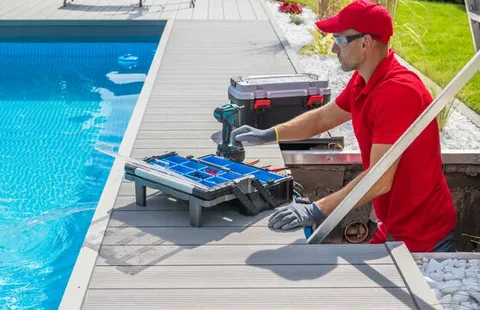
Then there’s the water cost. The Association of Pool & Spa Professionals (now PHTA) has noted that an average residential pool can lose hundreds of gallons a week to plumbing leaks, sometimes more during storm season. Catching a leak early protects your deck, your chemistry balance, and your monthly Miami-Dade water bill all at once.
Pipe and fitting options that hold up in South Florida
Picking the right materials matters as much as picking the right plumber. Affordable pool plumbing services in Homestead, FL work with one of four pipe and fitting categories, each with different pressure ratings, lifespans, and suitability for our climate. Knowing the basics helps you compare bids and avoid paying for the wrong product on the wrong line.
Schedule 40 PVC is the standard for most residential pool plumbing, both pressure and suction side. It handles typical pump pressures, glues reliably with primer and cement, and stays affordable. Schedule 80 PVC steps up the wall thickness for high-pressure applications, salt chlorine generators, or commercial-grade installations where chemical exposure runs higher.
Flexible PVC sometimes shows up in retrofit work or tight spaces, though it doesn’t last as long underground in Homestead soil. Brass and stainless-steel fittings handle threaded transitions at the equipment pad where vibration, heat, and chemical contact all stress the joint. Have you ever seen a corroded brass fitting on an old pool heater? That’s why modern installs often use heat-rated CPVC at the heater output.
| Pipe/Fitting Type | Best Use | Pressure Rating | Underground Lifespan |
| Schedule 40 PVC | Suction and return lines | 200+ PSI | 25–30 yrs |
| Schedule 80 PVC | Salt systems, high pressure | 400+ PSI | 30+ yrs |
| Flexible PVC | Tight retrofits, spa jets | 100–150 PSI | 10–15 yrs |
| Brass/Stainless Fittings | Equipment pad transitions | Varies | 15–25 yrs |
What pool plumbing diagnosis and repair actually looks like
Quality plumbing work follows a clear sequence, and skipping diagnostic steps leads to digging in the wrong spot. Whether you need a simple skimmer line patched or a full suction-side rebuild, the best pool plumbing leak repair services in Homestead, FL stick to a documented process from the first inspection to the final cleanup.
Pressure testing and leak detection
First, the technician pressure tests each line individually. Plugs go into the skimmer, returns, main drain, and any cleaner lines. Air or water pressure builds in the line, and the gauge tells the story. A line that drops pressure within a few minutes has a leak somewhere along its run.
Then comes pinpointing the location. Acoustic listening devices, hydrostatic test plugs, and electronic leak detection equipment help narrow the leak to a small zone before any digging starts. Skipping this step is how homeowners end up with their entire deck broken open for a repair that turned out to be at a single fitting.
Repair work and final pressure verification
After pinpointing, the crew opens the smallest possible section of deck or pavers. Concrete deck repairs need clean saw cuts, while paver decks come up with the right tools and reset cleanly. Soil gets excavated by hand near the leak to avoid damaging adjacent lines or conduit.
The damaged section gets cut out, new Schedule 40 or 80 PVC gets glued in with proper primer and cement, and the line gets pressure tested again before backfill. Miami-Dade County permits may apply for larger plumbing rebuilds, and any pool work must comply with Florida Building Code Section 454 covering residential swimming pools. Companies focused on pool plumbing services in Homestead, FL, such as Pristine Pools and Pavers, handle that permit process and final inspection so the work is documented for resale and insurance purposes.
Cost factors that shape your final estimate
Pricing for pool plumbing work isn’t a single number, and any contractor quoting you over the phone without seeing the property is guessing. Several variables move the bid up or down on every Homestead job, so knowing them helps you compare bids fairly and spot which line items deserve scrutiny.
Scope obviously tops the list. A single fitting replacement at the equipment pad costs far less than a full underground line repair under a paver deck. The depth of the line, the type of decking above it, and whether the leak sits under landscaping or hardscape all shift the labor hours involved.
Deck type and access challenges
Deck material matters too. Stamped concrete needs clean saw cuts and color-matched patching, travertine pavers can usually be lifted and reset without visible scarring, and shellrock or natural coral edges add complexity. Pools with tight equipment pads, mature landscaping, or screen enclosures over the deck all add labor that won’t show up in a quick phone estimate.
Pipe condition and repair scope
The condition of the existing plumbing changes things as well. Older pools built in the 1980s sometimes have brittle PVC that cracks during excavation, which can turn a one-fitting repair into a partial reroute. Salt-system retrofits, heater installations, and variable-speed pump upgrades may also require pipe upsizing to match new flow rates. The Best pool plumbing leak repair services in Homestead, FL include these contingencies in a written estimate so you don’t get surprised mid-project.
How to pick a pool plumber who’ll stand behind the work
The pool service market gets crowded in South Florida, especially in spring when pool season heats up. Unlicensed handyman show up, undercut local pricing, and disappear when a repair fails six months later. Sorting steady local plumbers from short-term operators is half the battle when shopping for pool plumbing services in Homestead, FL.
Start with licensing. Florida requires pool contractors to hold a state-issued Certified Pool Contractor (CPC) or Registered Pool Contractor license through the Department of Business and Professional Regulation. You can verify any license number on the DBPR website in under a minute. Then ask for current general liability and workers’ compensation certificates sent directly from the carrier, not a forwarded screenshot from a phone.
Cover five questions before signing anything: Who pulls the Miami-Dade County permit if one is required? What’s the workmanship warranty versus the manufacturer warranty on parts? Are the techs in-house employees or day-labor subs? How is deck restoration priced after the plumbing repair? And what’s the response process if the same line leaks again within a year? Steve Goodale, a longtime pool industry technical writer, has often said in trade publications that proper leak detection done up front saves more money than any single repair technique afterward.
A contractor who works exclusively on residential pools across South Dade, like Pristine Pools and Pavers, has handled local soil conditions, knows which fittings hold up against Homestead’s high water table, and carries trade-specific insurance that general plumbers often skip. When a bid arrives suspiciously low, read the scope carefully. Common shortcuts include skipping the pressure test, no permit pull where required, vague deck restoration language, and missing warranty terms in writing.
Conclusion
Having pool plumbing repairs done properly protects your deck, your equipment, your water chemistry, and your monthly utility bills for years to come. Ensure that you get your Florida DBPR pool contractor’s license verified, get your insurance certificates directly from the carrier, and get three itemized bids on matched scope. Monitor what is written regarding contingency documentation, deck restoration language, and the warranty. These line items are essential because they determine whether the repair is good for 20 years or flops by next storm season.
When you feel up to discussing your pool problems in a no-pressure environment, contact Pristine Pools and Pavers for a free on-site quote. We will carry out pressure tests on the lines and locate leaks. And also discuss repair versus reroute options. We will provide you with a written scope that meets your pool, your timeline and your budget so you can make the call with full information and a clear path forward.
FAQ’s
How long does pool plumbing repair take on a Homestead, FL home?
Most leak repairs wrap in one to three working days, depending on access, deck type, and excavation depth. Full reroutes or equipment-pad rebuilds can stretch to a week. Your contractor should give you a written start window and target completion date before any saw cuts or excavation work begins.
Do I need a permit for pool plumbing work in Homestead, FL?
Yes for most underground line work, equipment-pad rebuilds, and any plumbing tied to gas heaters. Minor above-ground fitting swaps at the pad usually don’t require a permit. A reputable local contractor pulls Miami-Dade County permits in their company name and includes the fee on your written estimate.
What does pool plumbing repair typically cost in Homestead, FL?
Pricing depends on leak location, depth, deck type above the line, pipe condition, and whether reroute or spot repair makes more sense. Get three itemized written quotes from licensed local pool contractors with matching scopes. That comparison gives you a clear sense of fair pricing for your specific pool layout and age.
How well does pool plumbing hold up in South Florida’s climate?
Quality Schedule 40 PVC installed below frost line, which isn’t an issue in Homestead, holds up well for 25 to 30 years against humidity and chemical exposure. Schedule 80 lasts even longer where salt systems or higher pressure apply.
How can I tell if my pool has a plumbing leak in Homestead, FL?
Watch for water loss above normal evaporation, wet spots in the lawn near pool lines, air bubbles returning to the pool, low pump pressure, or unexplained jumps in your water bill. A bucket test confirms whether loss is evaporation or actual leakage before calling a pool contractor out.